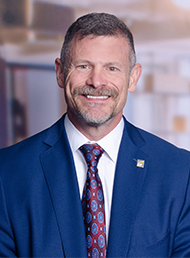
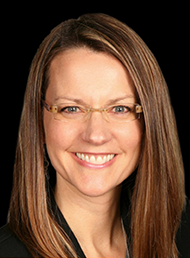
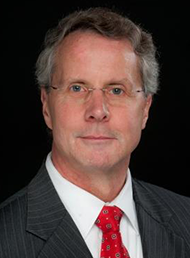
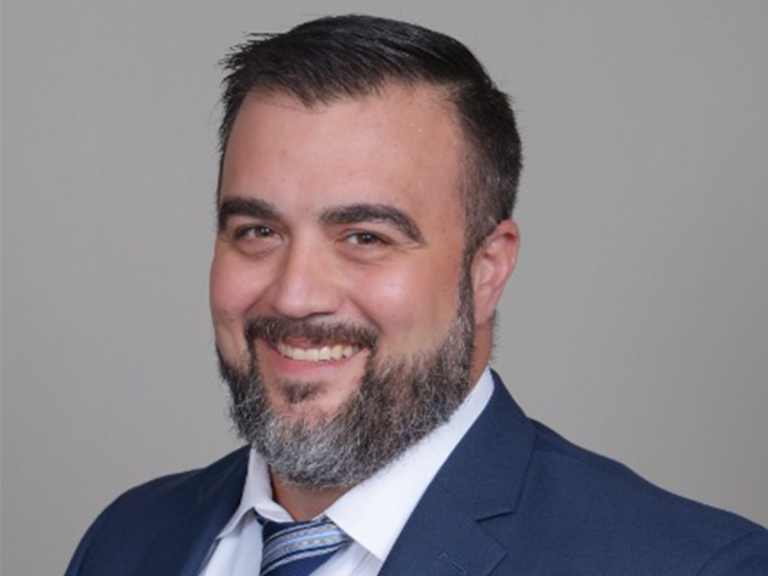
In episode 86 of the Global Captive Podcast, supported by the EY Global Captive Network, Richard sits down with Stacy Apter, vice president and corporate treasurer at the Coca-Cola Company, while visiting Atlanta, Geogia for RISKWORLD.
Stacy is known to many in the captive market from the various roles she has held at Coke since joining in 2005, which included risk and insurance and global benefits positions, and gives her an incredibly rounded outlook on how the risk, insurance and captive market can be utilised most effectively to support Coke’s financial and business goals.
We are also joined by Jason Flaxbeard, of Brown & Brown, a familiar voice for regular listeners to the pod, and who works closely with Stacy and Coke’s risk and insurance team on their captive programme.
Stacy and Jason talk in depth about the philosophy driving Coca-Cola’s captive strategy, and how they want to see the insurance market evolving further.
To stay up to date with all news, analysis and thought leadership on the global captive market, sign up to our twice-weekly newsletter here.
Governor Phil Scott has signed Bill H.76 into law, which actions several updates to Vermont’s captive legislation, including refining the confidentiality of company information and increasing funding for the Vermont Captive Insurance Division.
The Bill was signed into law on 8 May.
“Vermont continues to be the worldwide leader in the captive insurance market, and this bill makes additional steps to enhance our strong reputation,” Scott said.
“The hard work of the Vermont Department of Financial Regulation (DFR) and their partnerships in the industry ensure Vermont continues to see the significant economic benefits that come with our leadership in this sector.”
The legislation aims to align the statute with the information collected when a new company applies for a licence.
It also updates the language for how the confidentiality of information collected is handled, extending such treatment to subsequent updates, approved amendments or revisions to a company’s information, and its plan of operation.
Other sections of the Bill include updates to references, the allowance of electronic records as an acceptable form of record retention, and amends protected cell naming conventions to be inclusive of all allowable business type.
The legislation also included support for funding for the DFR captive insurance division to enable sustainable regulatory staffing and adequate resources to improve the environment captive insurance companies operate.
“Vermont is the gold standard when it comes to captive insurance regulation,” said Vermont deputy commissioner of captive insurance, Sandy Bigglestone.
“Captive owners have consistently communicated the need to operate in a jurisdiction with quality regulation because it adds value to their investment in managing their own risk and provides support for the captive operations of the organization.”
There is more than $194bn in assets under management within the 639 captives domiciled in the state at the end of 2022, which write $30bn in annual premium.
Product recall is split between food & beverage, automotive suppliers and pharmaceuticals
In Germany in 2019 3.6m new cars were registered, while close to 3.2m cars were subject to recall
Electric vehicle trend expected to increase demand for product recall insurance
AstraZeneca’s long-term captive utilisation protected it from pricing surge during pandemic
The current utilisation of captives in the product recall market is infrequent, but the interest in putting the coverage in captives is increasing, particularly in the automotive space.
One of the main reasons for the lack of captives writing product recall in the UK is the current competitiveness of the domestic recall market, which usually does not inspire many new captive formations.
Subscribe to Ci Premium to continue reading
Captive Intelligence provides high-value information, industry analysis, exclusive interviews and business intelligence tools to professionals in the captive insurance market.
Artex Risk Solutions, owned by Arthur J. Gallagher & Co, has completed the acquisition of the Irish independent captive manager Allied Risk Management.
Artex, which already has significant presence in Guernsey, Malta and Gibraltar in Europe’s captive market, now adds Ireland to its domicile options.
Captive Intelligence understands Allied has seven captives under management, while it also offers actuarial and underwriting services.
“Allied Risk is a highly respected company that will enhance Artex’s insurance management and actuarial capabilities,” said J. Patrick Gallagher, Jr, chairman, president and CEO of AJG.
“I am very pleased to welcome Frank and his associates to our growing, global team.”
Allied Risk Management’s future had been left uncertain since CBL Corporation, a New Zealand-based credit surety provider and financial risk insurer, which bought 40% of Allied in 2017, went into liquidation in February 2018.
Captive Intelligence understands several captive managers and brokers had been interested in a deal for Allied Risk Management, with Robus Group owners Ardonagh among those who had previously explored a deal.
The United States Agency for International Development (USAID) has launched Reporters Shield, an insurance fund to protect journalists from strategic lawsuits, using a captive solution provided by law firm Primmer Piper Eggleston & Cramer.
Vermont-based Primmer Piper Eggleston & Cramer provided pro bono legal support for the formation of the non-profit insurance fund.
Through its captive insurance management department, Primmer was able to design and form a captive solution that helped make Reporters Shield a reality.
Jesse Crary, shareholder with Primmer, who donated his time to the formation of Reporters Shield, said: “Reporters Shield will hopefully have a large impact on the way that stories get reported, and how we can create safe spaces for journalists to report on what they are actually seeing.
“The existence of this captive can have global impact. I am proud to have provided my skills and expertise to assist in its formation.”
Reporters Shield has been established to support journalists to fight back when they are challenged by “repressive governments” by providing insurance and the legal protection.
“Right now, around the world, there are more than 500 journalists who are in detention of some kind,” said Samantha Power, the Administrator of USAID.
“Just in the last year, 67 journalists have been killed while doing their work.
The fund will operate on a membership basis, accepting applications from outlets and organisations from North America, South America, Europe and Central Asia to start.
USAID is contributing up to $9m in seed funding for the programme to support non-US media, while private donor contributions fund the programme to support US media.
In this GCP Short, produced in partnership with EY’s Global Captive Network, Richard is joined by Paul Phillips, Partner and Global Captive Network Co-Leader at EY, and Lisa Wall, Executive Vice President and Risk Finance Practice Leader at Lockton, for a fascinating 18-minute conversation.
Recorded at the CICA International Conference in Palm Springs, in Marsh, Richard, Paul and Lisa debate whether the power of captives remain undervalued, if they should no longer be considered the ‘alternative market’ as they become more mainstream, how to push the envelope further with captive owners and what role self-insurance vehicles have in insuring ESG-related risks.
Airbnb is the latest corporate victim of Washington State’s Insurance Commissioner, Mike Kreidler, who has fined the technology company $20,000 for acting as an unauthorised insurer in Washington state.
The enforcement action, which also requires Airbnb to secure a surplus lines policy through a broker licensed in Washington by August 5, 2023, is in relation to the home-sharing platform’s Host Damage Protection (HDP) programme.
“Kreidler’s office opened its investigation based on the HDP program, which advertised $1 million in coverage for damages caused by a guest,” the regulator said in a statement.
“It was included with each booking as part of the company’s AirCover program, provided under a general liability policy with hosts covered as insureds.”
Subscribe to the Captive Intelligence newsletter to receive our FREE twice weekly updates with links to news, analysis and podcasts.
The Office of the Insurance Commissioner (OIC) initially issued a Cease and Desist order on Airbnb on 7 February, ordering it to immediately cease from:
“(i) engaging in or transacting the unauthorized business of insurance in the state of Washington, (ii) seeking, pursuing, or obtaining any insurance or service contract business in the state of Washington, and (iii) soliciting Washington residents to induce them to purchase any travel insurance contract.”
Due to the complexity of the matter, the order was stayed on 15 February, effective from 6 February, with the OIC and Airbnb agreeing to “fully resolve this matter by entering into a compromise resolution”.
As part of the agreement with the OIC, Airbnb will now require its surplus lines broker that Washington State be treated as Airbnb’s “home state” for the policy “and will receive surplus lines premium tax on 100% of the Policy’s premium”. This will only be the case for hosts located in Washington State.
It is not stated whether Airbnb’s Hawaii-domiciled captive, Launa Insurance Company, Inc, is directly implicated in the rules breach, but it does play a role in some of the insurance programmes offered to hosts and users of the platform.
“We have a wholly-owned captive insurance subsidiary to manage the financial exposure related to our Host and Experiences liability insurance programs along with certain corporate insurance programs,” Airbnb said in a February SEC filing.
“Our captive insurance subsidiary is a party to certain reinsurance and indemnification arrangements that transfer a portion of the risk from our insurance providers to the captive insurance subsidiary, which could require us to pay out material amounts that may be in excess of our insurance reserves.”
As well as the captive, Airbnb also operates its own US insurance agency.
Kreidler became well known to the captive insurance industry in 2018 when he began targeting self-insurance subsidiaries owned by Washington-headquartered businesses, accusing them of being unauthorised thus insuring risk in the state illegally.
Microsoft, Costco, Alaska Airlines and Starbucks were among those corporates caught up in enforcement action before a legislative fix was landed upon in 2021.
Bill Fitzpatrick is senior vice president at Granite Management Ltd and an experienced international employee benefits and captive professional. He previously led Deutsche Post DHL’s corporate employee benefits programme from 2006 to 2022 before joining Granite in January 2023.
Captive-backed international employee benefits programmes have come a long way since the mid-1990s. Granite Management’s Bill Fitzpatrick outlines that journey and what comes next.
During the mid-1990’s, a few select companies were looking to circumvent the traditional Employee Benefit pooling route, preferring a means long-established within the property & casualty insurance industry; the reinsurance of employee benefits into their captive.
The reasons were relatively straight forward; to eliminate the frictional costs that are associated with writing employee benefits cover through a locally insured or pooled arrangement, enhanced quarterly reporting of claims versus the current annualized option, and to diversify the risk within the captive.
Towards the later stages of the 1990s, two European companies were significantly motivated by the saving proposition captives presented and began reinsuring EB coverage into their respective programmes.
Initially, the insurance networks struggled with the concept of meeting risk transfer and the movement of funds requirements; being more willing to emphasize pooling as the best construct for the aggregation of multinational EB plans.
The networks quickly learned that captives can bring substantial business into their portfolio and as long as service levels remained commensurate with that of local market expectations, the business retention levels exceeded that of any other funding methodology (locally underwritten or pooling).
This scenario was attributable to the captive’s breakeven pricing approach being applied, eliminating the need to re-market plans in order to secure better terms at lower premium levels.
The expansion of companies and insurer networks envisaging the placement of EB captive business within their respective portfolios expanded quickly, as multinationals realised that such a mechanism allowed for the greatest flexibility in terms of pricing and plan design, combined with the ability to modify policy provisions to meet the unique strategic needs of the parent company.
With increased control over the underwriting process and an enhanced understanding of annual claims trends, multinationals began insisting the insurer networks expand the availability of data and analytics needed to price such programmes.
Networks were asked to provide more detailed information in the form of ICD10 (International Classification of Diseases) data for the purposes of normalizing data and defining the specific claims being incurred; leading to better prevention and mitigation strategies that could be applied to further manage long-term costs.
As the multinationals’ underwriting abilities became more refined and comprehensive, they then convinced consultants to provide medical trend rates by country, allowing for a greater degree of accuracy when pricing local plans.
Such changes allowed multinationals to launch unique and tailored prevention and mitigation strategies within country medical programmes.
Since that time, the global market has seen similar developments in the identification and management of disability claims with many insurers utilizing an early intervention process emphasizing a focus on musculoskeletal and mental health conditions; due to the subjective nature of such conditions.
Such a change was essential, as insurer claims data determined that individuals who remain out of work for six months or more have a far less chance of returning to gainful employment compared to those undergoing early intervention by vendors specialized in dealing with such conditions.
Insurers are now also questioning public agencies (Western Europe) that determine the level and seriousness of the conditions in question, no longer relying on the state’s determination as to the level of disability use to determine eligibility for state benefits.
Present and future
If we fast forward to 2023, many companies have now been utilizing a captive for employee benefits for 15 years or more and by doing so, have built a significant breadth of data allowing for the application of multi-year underwriting and actuarial analyses on the value that such a programme brings to the parent company.
Most companies will confirm a savings of 10-25% versus that of a locally insured plan; before factoring any potential savings from claim prevention and mitigation opportunities.
To provide a long-term perspective on the savings opportunities an EB captive brings to companies, note the following example:
If an EB captive reinsured €50m effective on Jan. 1, 2023, assuming an annual 10% medical trend rate and assuming a savings of 16% per year; a company would exhibit a total aggregated savings versus locally insured cover of €127.5m (assumes breakeven underwriting and spread of countries & multiple lines of cover e.g. life, accident, disability & medical) over a 10 year timeframe.
In the coming years, most companies are/will be challenged by EB premiums increasing at a significant pace. This is as a result of high medical inflation, an aging workforce and an increase in chronic diseases. As companies look to control such costs, their reliance will resort to already established measures:
Continued employer funding of increased premiums
Cost shift greater premium amounts to employees
Increased costs to employees via higher deductibles and/or coinsurance amounts
Reduced coverage through contract modifications
Leveraging hospitals and physicians pricing models
Greater focus on improving the health of employees and their dependents
In most cases, employers will need to apply the above options in varying degrees by country to secure greater control over employee benefit costs.
Based on the above, it is easy to understand why companies must target the lowest based premium and leverage the financing, plan design and prevention/mitigation opportunities to fully realise both the short and long-term opportunity costs.
With the global competition on talent in full swing, many companies are looking to capitalize on their “Diversity, Equity and Inclusion” strategies across all reaches of their respective organisations.
While DE&I overlaps multi-functional lines within HR, companies are realising the opportunities presented within captives by normalizing plan designs across both geographical and cultural boundaries; presenting a seamless array of coverages normally excluded or limited within a given country.
The overarching aim of an international programme is to ensure a consistent level of cover globally, allowing for the selection of cover a company feels that is best suited for their employee population, ultimately enriching the DE&I strategical outcomes.
In summary, considering the cost implications that company’s face with future EB premiums and the goal to attract and retain diverse topmost talent, those companies that strive to transcend the premium and claims management cost curve will demonstrate a significant strategical advantage over their peers and competitors.
Unfortunately, those companies that delay a proactive approach to the financing and management will face an increasing spiral of costs year on year.
Jessica Powell, who initially joined Aon Cayman post-graduation as an account manager, has been promoted to senior vice president – Captives.
After first working at the captive manager as a trainee, Powell took a sabbatical to pursue an Aon Cayman-sponsored MBA with Temple University in 2010, before returning in 2011.
Aon Cayman said that during the intervening years, Powell has grown through the firm to become a trusted advisor to clients and colleagues alike.
“Jessica is generous with her time and expertise and her incredible work ethic and dedication are an example to us all,” said Howard Byrne, managing director at Aon Cayman.
“This promotion is most deserved and we are so lucky to have Jessica on our team. Many congratulations.”
Hard market conditions is one of the main drivers behind the decision by Ascot US to launch a captives unit, Mark Totolos, senior vice president for captive solutions at Ascot US, told Captive Intelligence.
Ascot Group is an insurance and reinsurance company, with Ascot US appointing Totolos to the newly created role last month. He joined from Skyward Specialty Insurance where he was head of captives and programmes.
“The main reason we are starting up Captive Solutions is that the hard market environment continues to push insureds into the alternative market as more realise that risk management can have a positive financial impact to their business,” he said.
Totolos said the industry has been trending in the direction of greater captive utilisation for the last three years as a result of the hard market.
“It’s a great time to lean in because rates don’t seem like they’re going to start coming down anytime soon and captives can solve some of that instability,” he said.
Totolos said that clients are increasingly learning there is a financial impact by taking on risk retention, whether that be on the tax or premium side.
“You’re not relying on an insurance company to take underwriting profit, now you’re sharing the underwriting profit based on your own results,” he added.
Totolos indicated that the market is seeing an increasing number of consultants looking at building property captives for their clients.
“They’re a bit more difficult because of the vertical capacity, but those insureds are finding out that if they take more risks, they can reduce their overall premium while receiving potential underwriting and investment income,” he said.
Although being US focused, Totolos said Ascot will also be open to working with captives in domiciles outside of the US.
Totolos also noted that Ascot has its own captive domiciled in Tennessee, which is currently being used by the company’s workers compensation unit.
He said in the future, Ascot’s Tennessee-domiciled captive could potentially be used as a rent-a-cell unit for the company’s clients.
“Having the ability to utilise our Tennessee domiciled captive to rent a cell is a big plus for our partners that may not have access to captive options,” he said.
Totolos told Captive Intelligence that Ascot is looking to have a full launch of its Captives Solutions unit in Q1 2024.
“We are currently getting all the filings that we need completed and building the infrastructure in the background,” he said.
“I want to make sure we have the capabilities before we start bringing in additional staff.”